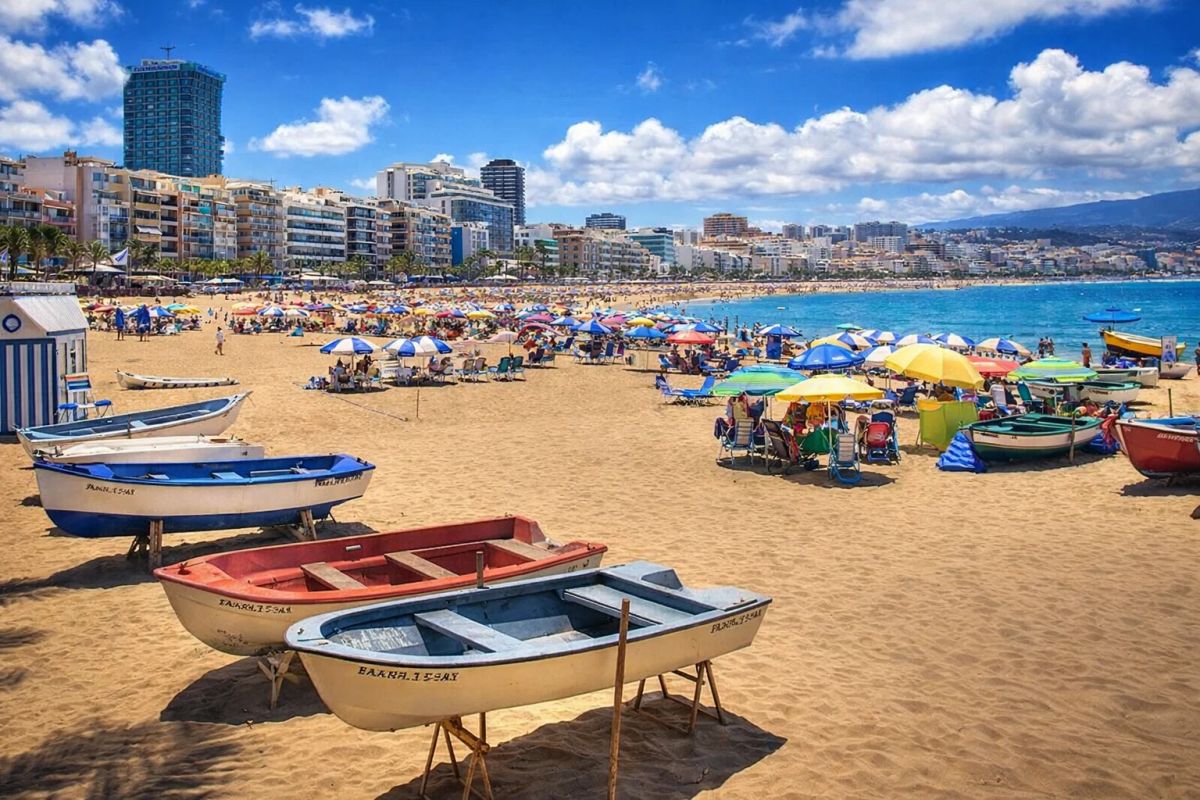
Is Gran Canaria worth it? If you are reading this, someone has probably told you about the island already, and the answer is a resounding yes. Gran Canaria offers year-round sunshine, a landscape that shifts from golden sand dunes to volcanic mountain peaks within a single hour's drive, and a cultural mix that makes it one of the most vibrant islands in Europe. Whether you are a digital nomad looking for your next base, a traveler seeking adventure, or someone who just wants great weather and even better food, this island delivers.
Las Palmas de Gran Canaria, the capital, is a cosmopolitan city with a thriving international community. The south of the island brings resort towns and endless sun. And in between, you will find charming villages, dramatic ravines, and some of the best hiking in the Canary Islands. Here is your local guide to the best things to do in Gran Canaria.
Beaches
Gran Canaria's coastline is one of its strongest draws. With beaches ranging from urban favorites to wild, untouched coves, there is something for every mood.
- Las Canteras — The crown jewel of Las Palmas. This 3-kilometer urban beach is consistently ranked among the best city beaches in Europe. A natural reef called La Barra creates a calm lagoon ideal for swimming, while the southern end (La Cicer) is a well-known surf spot with consistent waves year-round.
- Maspalomas — The iconic dunes of Maspalomas feel like stepping into the Sahara. The beach stretches for kilometers, and you can walk from the lighthouse along the shore to Playa del Ingles. Parts of the beach are clothing-optional.
- Amadores — A sheltered crescent of imported white sand with crystal-clear turquoise water. One of the calmest beaches on the island, perfect for families and relaxed swimming.
- Anfi del Mar — Similar to Amadores but slightly smaller and quieter. The water here is some of the clearest you will find on the island.
- Gui Gui — A hidden beach accessible only by a challenging hike (about 2 hours each way from Tasartico) or by boat. The effort is worth it: a wild, unspoiled stretch of coast surrounded by towering cliffs. Bring water and sun protection — there is no shade or facilities.
For surfers, Las Canteras (La Cicer), El Confital (just north of Las Canteras, a world-class reef break), and spots along the north coast like Galdar and El Puertillo offer excellent conditions depending on the swell.
Nightlife and Parties
Gran Canaria has a vibrant party culture, and the scene varies dramatically depending on where you are on the island.
Las Palmas is the beating heart of the nightlife. The action is spread across a few key areas:
- Mesa y Lopez / Santa Catalina — The central party zone. Here you will find a dense cluster of bars and clubs that stay open late. The energy picks up around midnight and runs well into the early morning. Expect a mix of international crowds and locals.
- Vegueta — The old town transforms on weekends. The cobblestone streets around Plaza de Santo Domingo and the surrounding alleys fill with people bar-hopping between small venues and terrace spots. The vibe is more relaxed and cultural compared to Santa Catalina.
- Rooftop bars — Several hotels and venues in Las Palmas offer rooftop terraces with views over the city and ocean. Great for sunset drinks before heading out.
In the south, Playa del Ingles is the main party hub. The Yumbo Centre and the surrounding area have a long-established nightlife scene with clubs, themed bars, and late-night venues. The Maspalomas area attracts a diverse, international crowd.
Parties in Gran Canaria are not just limited to clubs. Throughout the year, the island hosts open-air festivals, beach parties, and cultural celebrations that bring people together on a larger scale.
Want to see what's on this week? Browse upcoming concerts, parties, and events on EventosGC →
Live Music
If you love live music, Gran Canaria will not disappoint. The island has a surprisingly rich music scene for its size.
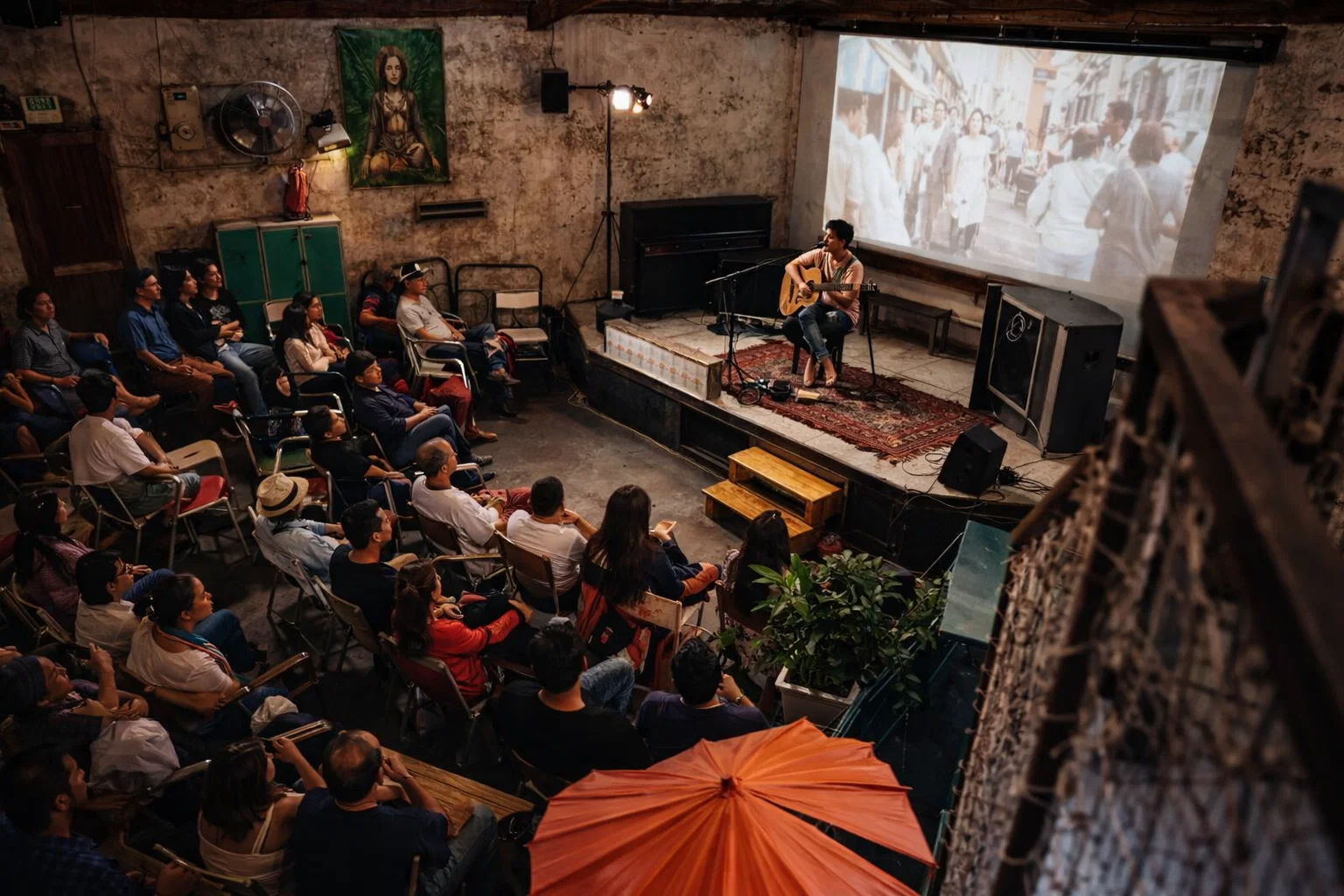
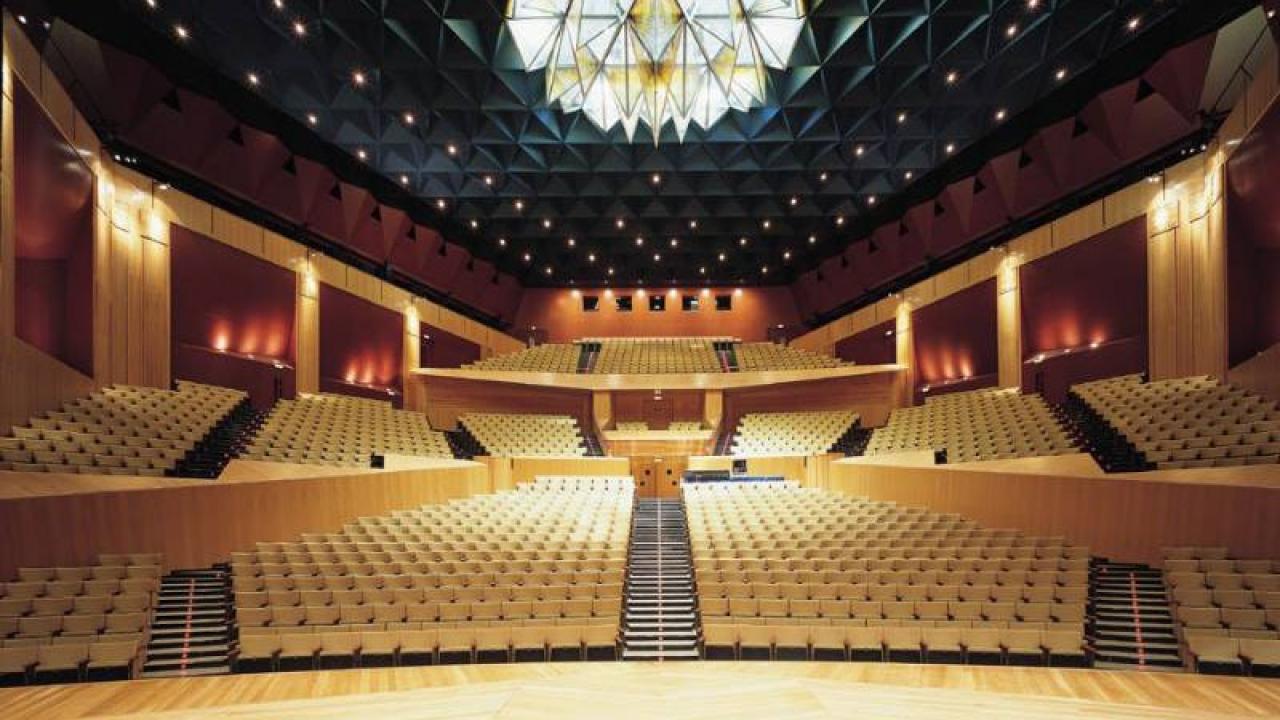
- Auditorio Alfredo Kraus — The island's premier concert venue, named after the famous Canarian tenor. Located at the end of Las Canteras beach, it hosts everything from classical orchestras and opera to international touring artists and jazz festivals. The building itself, with its ocean-facing glass wall, is architecturally stunning.
- Bar and pub scene — Numerous bars across Las Palmas host live music nights on a regular basis. You will find rock, blues, jazz, acoustic sessions, and flamenco on any given week, particularly around the Triana and Vegueta neighborhoods.
- Music festivals — Gran Canaria hosts several music festivals throughout the year, from electronic music events to jazz and world music. Keep an eye on local listings, as lineups and dates change annually.
- Street music — Especially in Las Canteras and Vegueta, you will often encounter talented street musicians adding a soundtrack to your evening walk.
Check local event listings regularly, as concerts and live music events pop up frequently across the island.
Latin Dance Scene
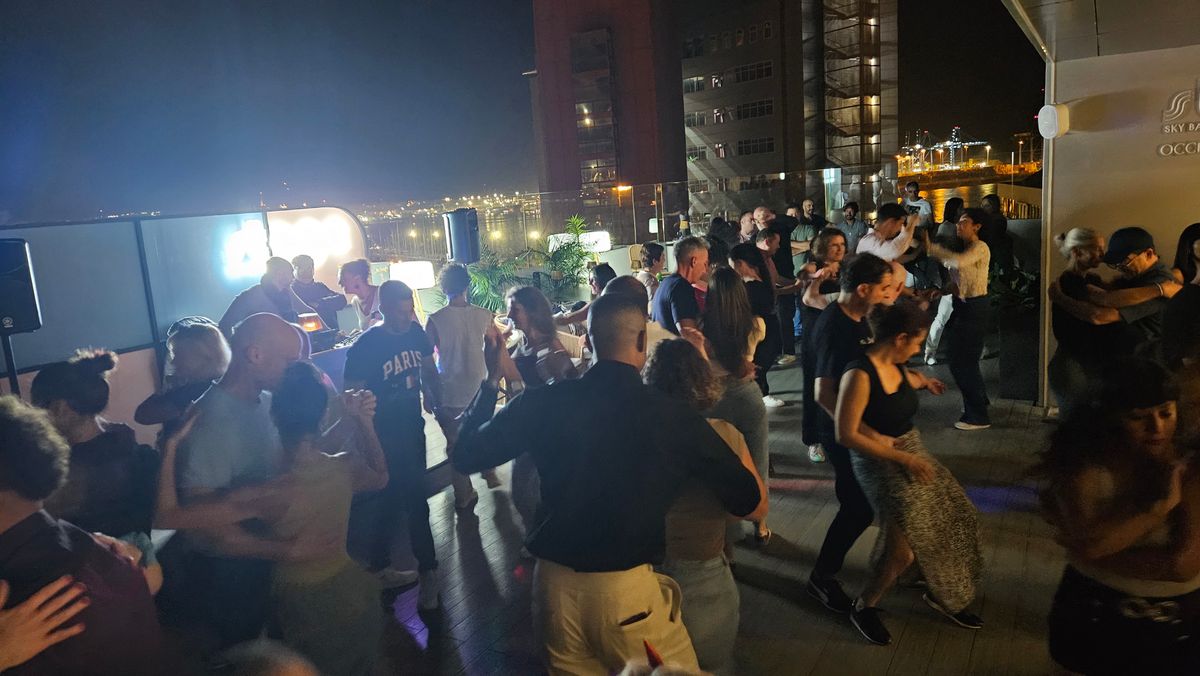
Gran Canaria has a thriving Latin dance community. Salsa, bachata, and kizomba are hugely popular on the island, with regular social nights, workshops, and classes happening throughout the week. Whether you are a complete beginner or an experienced dancer, you will find a welcoming scene in Las Palmas and across the island.
The dance community is one of the best ways to meet new people in Gran Canaria — it is social, inclusive, and you do not need to come with a partner.
Read our complete dance guide for a full breakdown of venues, class schedules, and social dance nights.
Meeting New People
One of the best things about Gran Canaria is how easy it is to meet new people. The island attracts a diverse international community, and there are plenty of ways to connect.
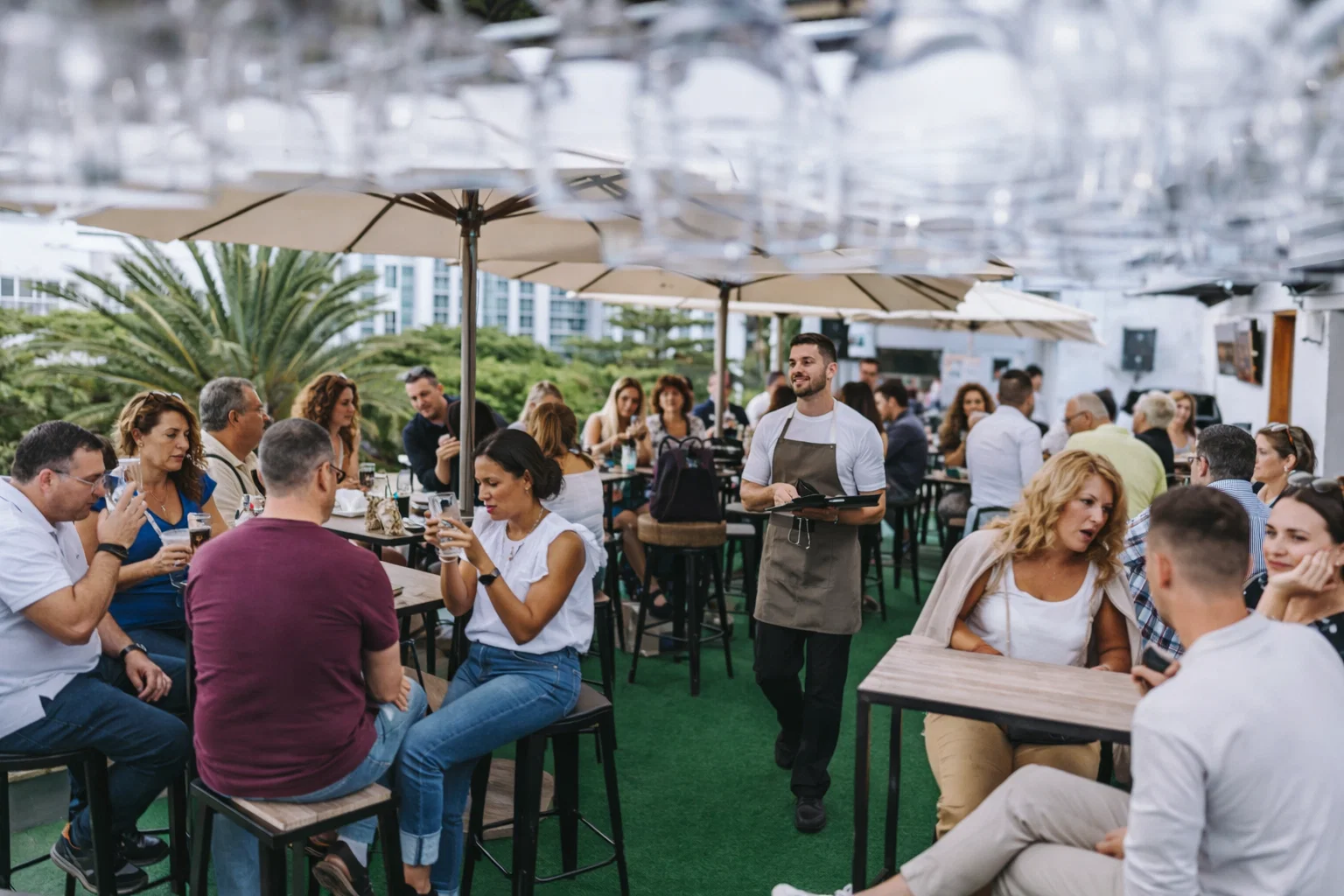
- Language exchanges (intercambios) — Weekly language exchange meetups are hugely popular in Las Palmas. These casual events, usually held in bars or cafes, bring together Spanish speakers wanting to practice English and vice versa. They are one of the fastest ways to build a social circle.
- Coworking spaces — Las Palmas is one of Europe's top digital nomad destinations. Coworking spaces like Restation, The House, and others host regular community events, workshops, and social gatherings beyond just desk space.
- Meetup groups — From hiking groups to photography walks, book clubs to tech meetups, there is an active scene of organized groups. Check platforms like Meetup.com and local Facebook groups.
- Sports and fitness — Beach volleyball at Las Canteras, running groups, yoga classes, CrossFit boxes, and surf schools all provide natural social environments. Joining a regular group is a reliable way to build friendships.
- Community events — Markets, cultural events, and festivals happen throughout the year. These bring locals and newcomers together in a relaxed atmosphere.
- Volunteer opportunities — Environmental cleanups, animal shelters, and community projects welcome volunteers and are a meaningful way to connect with people who share your values.
The international community in Las Palmas is particularly welcoming. Many people arrive alone and quickly find a social circle through these activities.
Hiking and Outdoor Activities
Gran Canaria is often called a "miniature continent" for good reason. The interior of the island is a dramatic landscape of volcanic peaks, deep ravines, and pine forests.
Top hikes:
- Roque Nublo — The iconic volcanic rock formation and one of the island's symbols. The hike from the parking area at La Goleta is relatively short (about 30 minutes each way) but rewards you with panoramic views across the island. On clear days, you can see Tenerife and Mount Teide.
- Tamadaba Natural Park — Dense Canarian pine forests, dramatic cliff views over the northwest coast, and well-marked trails. One of the most beautiful and peaceful areas on the island.
- Bandama Caldera — A volcanic crater near Las Palmas that you can hike around the rim or descend into. Easy to reach and a great half-day excursion.
- Barranco de Guayadeque — A deep ravine with cave houses, a cave church, and cave restaurants. The hiking trails through the barranco offer stunning geological formations and traces of the island's pre-Hispanic past.
- GR 131 — A long-distance trail that crosses the island from south to north (or vice versa). You can tackle it in stages or do day sections for a serious trekking experience.
Water sports:
- Surfing — Las Canteras, El Confital, and the north coast are the main zones. Numerous surf schools cater to beginners.
- Windsurfing and kitesurfing — Pozo Izquierdo, on the southeast coast, is a world-class windsurfing spot that hosts international competitions. Consistent trade winds make it a reliable destination for wind sports.
- Diving — Clear Atlantic waters, volcanic reef formations, and marine life including angel sharks and rays. Popular dive sites are scattered along the east and south coasts.
- Kayaking and stand-up paddleboarding — Available at various beaches, with guided tours along coastal cliffs and into sea caves.
Cycling is also massive on Gran Canaria. The island's mountainous terrain and quiet interior roads attract professional teams for winter training. Whether you are a road cyclist or prefer mountain biking, the routes here are world-class.
Food and Drink
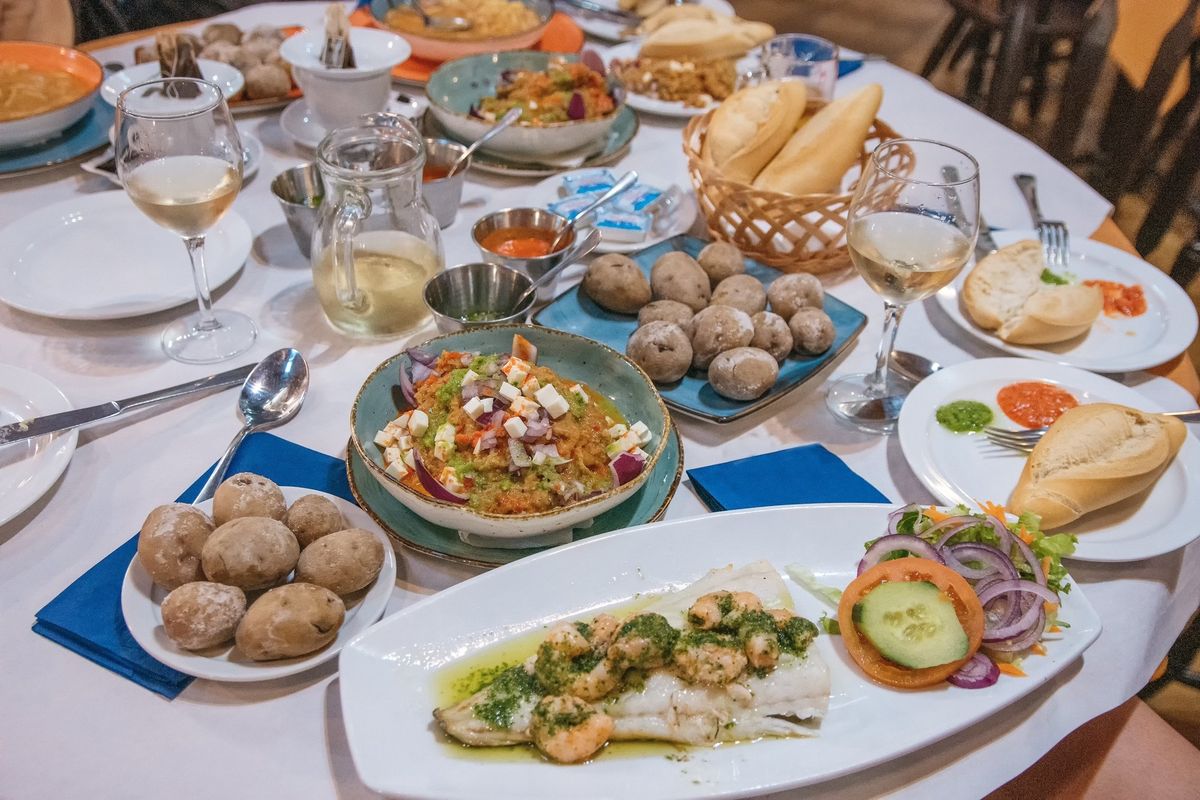
Canarian cuisine is unpretentious, flavorful, and deeply tied to the land and sea.
- Papas arrugadas con mojo — Wrinkled potatoes boiled in heavily salted water, served with mojo rojo (spicy red pepper sauce) and mojo verde (cilantro or parsley-based green sauce). You will find this everywhere, and it never gets old.
- Queso de flor — A unique artisan cheese from the village of Santa Maria de Guia, made using thistle flower rennet. It has a creamy, slightly tangy flavor and is one of the most distinctive cheeses in Spain.
- Gofio — Toasted grain flour (usually wheat or corn) that has been a staple of Canarian diet since pre-Hispanic times. Used in soups, desserts, and as an accompaniment to meals.
- Fresh fish — Grilled vieja (parrotfish), sama, and cherne are local favorites. Look for restaurants near the coast that source directly from local fishermen.
- Canarian wines — The island's volcanic soil and microclimates produce some excellent wines that remain largely unknown outside the archipelago. Look for wines from the Denomination of Origin Gran Canaria, particularly from the highlands around Tejeda and San Mateo.
Where to eat and shop for food:
- Mercado de Vegueta — The historic market in the old town, perfect for picking up fresh produce, local cheeses, and specialty items.
- Mercado del Puerto — Near the port in Las Palmas, this market has become a popular food hall where you can try different Canarian and international dishes at casual stalls.
- Guachinches — Informal eateries, traditionally run from people's homes or garages, serving simple homemade food and local wine. They are more common in Tenerife, but you can find similar spots in Gran Canaria's rural interior. Ask locals for recommendations.
Culture and History
Gran Canaria has a layered cultural heritage that spans from its pre-Hispanic inhabitants to its role as a crossroads of Atlantic trade.
- Vegueta — The founding neighborhood of Las Palmas and a candidate for UNESCO World Heritage status. Wander through its cobblestone streets to see colonial architecture, the Cathedral of Santa Ana, and beautifully restored historic buildings. This is where the city began in 1478.
- Casa de Colon — The Columbus Museum, set in the former residence of the island's governor. Columbus stopped in Gran Canaria on his voyages to the Americas, and this museum traces the history of those transatlantic journeys and the island's connection to the New World.
- CAAM (Centro Atlantico de Arte Moderno) — A contemporary art museum in Vegueta with rotating exhibitions that position the Canary Islands within the broader Atlantic art world. Free entry.
- Teatro Perez Galdos — Named after the famous novelist born in Las Palmas, this restored theater hosts opera, theater, and dance performances throughout the season.
- Carnival — Gran Canaria's Carnival is one of the largest in Spain and one of the most spectacular in the world. Weeks of parades, drag queen galas, murgas (satirical music groups), and street celebrations take over Las Palmas every February and March. It is an experience that defines the island's spirit.
Read our carnival guide for dates, highlights, and tips on how to enjoy Carnival like a local.
More Guides
Find Events in Gran Canaria
With so many things to do in Gran Canaria, keeping track of what is happening can be a challenge. That is exactly why EventosGC exists.
We aggregate events from across the island every day — concerts, parties, cultural events, workshops, dance socials, markets, and more. Whether you just arrived or have been here for years, it is the easiest way to discover what is going on and make the most of your time on the island.
Browse upcoming events at eventosgc.es and never miss out on what Gran Canaria has to offer.