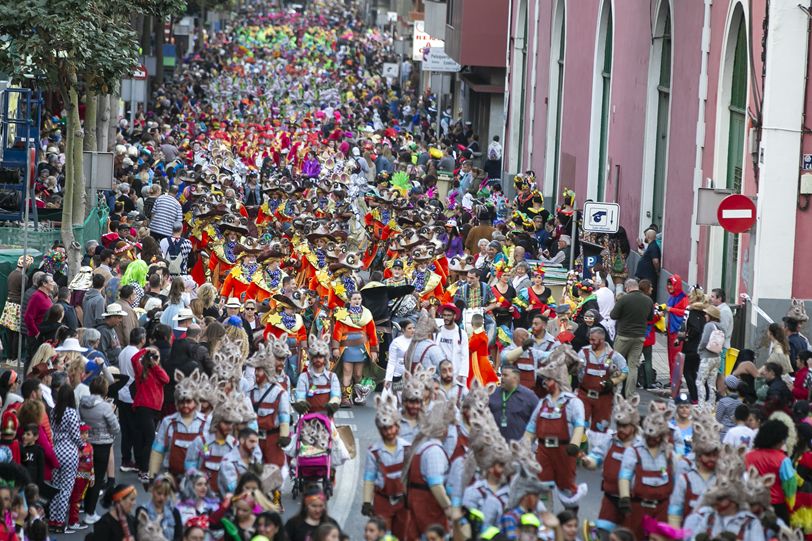
The Carnaval de Las Palmas de Gran Canaria is one of the most spectacular carnival celebrations in the world. With over five centuries of tradition, it ranks among Spain's biggest carnivals and draws hundreds of thousands of locals and visitors each year to the streets of Las Palmas. From the internationally famous Drag Queen Gala to the emotional Entierro de la Sardina that closes the festivities, this Gran Canaria carnival is a whirlwind of music, costumes, parades, and open-air celebration.
This guide covers the carnival's rich history, its key events, the 2026 calendar, and practical tips so you can experience it to the fullest.
A Brief History of Las Palmas Carnival
The roots of carnival in Las Palmas stretch back more than 500 years, making it one of the oldest and most deeply rooted popular festivals on the Canary Islands.
- 1574 -- The earliest documented reference to carnival in the city describes a dance of masks held at the house of canon Pedro Leon. This account places the celebration firmly in the late sixteenth century.
- 1635 -- Another historical account mentions carnival festivities taking place in the city, confirming the tradition had persisted for generations.
- 19th century -- Carnival grew significantly during this period, driven by prominent cultural institutions such as the Circulo Mercantil and the Gabinete Literario, which organized elegant masked balls and public events that cemented carnival as the social highlight of the year.
- Franco era (1939--1975) -- Under the dictatorship, carnival was officially banned across Spain. In Las Palmas, residents refused to let the tradition die. Celebrations were disguised as "Fiestas de Invierno" (Winter Festivals), and revelers would hide their costumes under bedsheets on their way to private parties. The spirit of carnival survived underground.
- 1976 -- Following Franco's death, Manolo Garcia secured permission from the authorities to bring the carnival back to the streets. The first open celebration in decades marked a historic turning point and an explosion of joy.
- 1980s -- The carnival entered a new era of professionalization and municipal coordination, growing in scale and production quality.
- 1986 -- The Carnival Foundation was created to manage and promote the event, giving it an institutional framework that would support its continued growth.
- 1995 -- The main carnival events were relocated to Parque Santa Catalina, which has served as the heart of the celebrations ever since.
- 1998 -- The inaugural Gala Drag Queen was held, quickly becoming the carnival's most internationally recognized event. The gala went on to win the FELGTB Premio Pluma in 2018 for its contribution to LGBTQ+ visibility and culture.
Today, the Las Palmas Carnival is a modern, internationally acclaimed festival that honors centuries of tradition while constantly evolving.
The Key Events
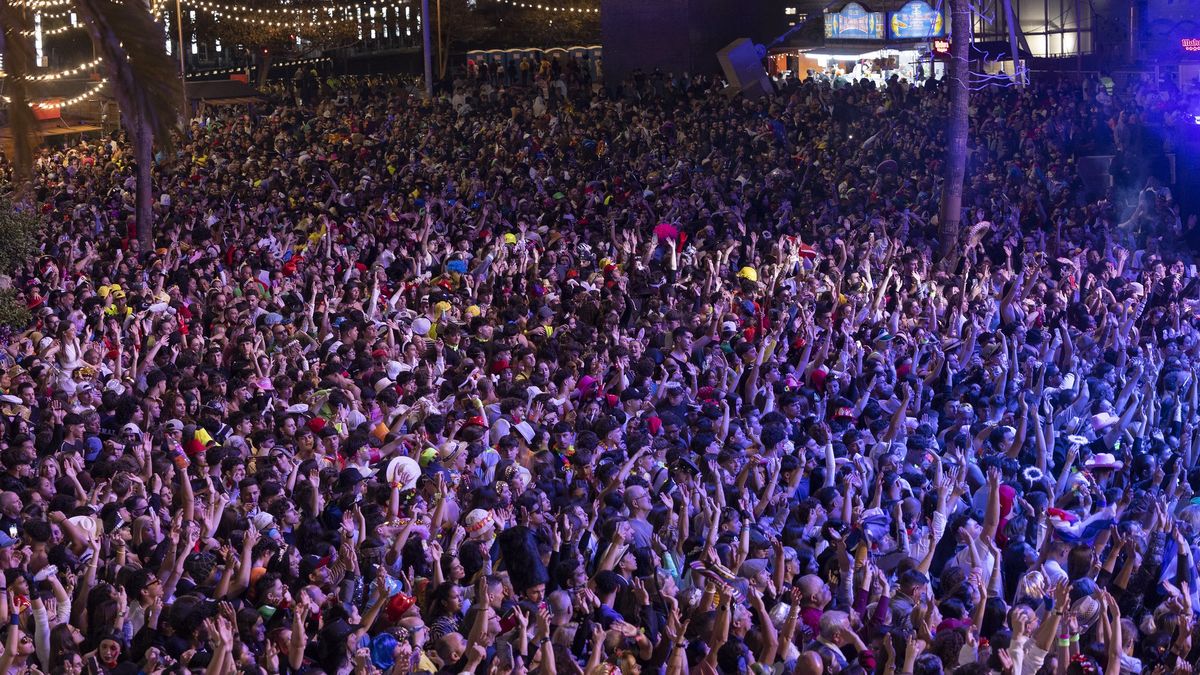
The carnival stretches across several weeks and features a rich program of competitions, parades, concerts, and street celebrations. Here are the events you should know about.
Don't miss any carnival events. Browse upcoming Carnaval parties, concerts, and parades on EventosGC →
Gala Drag Queen
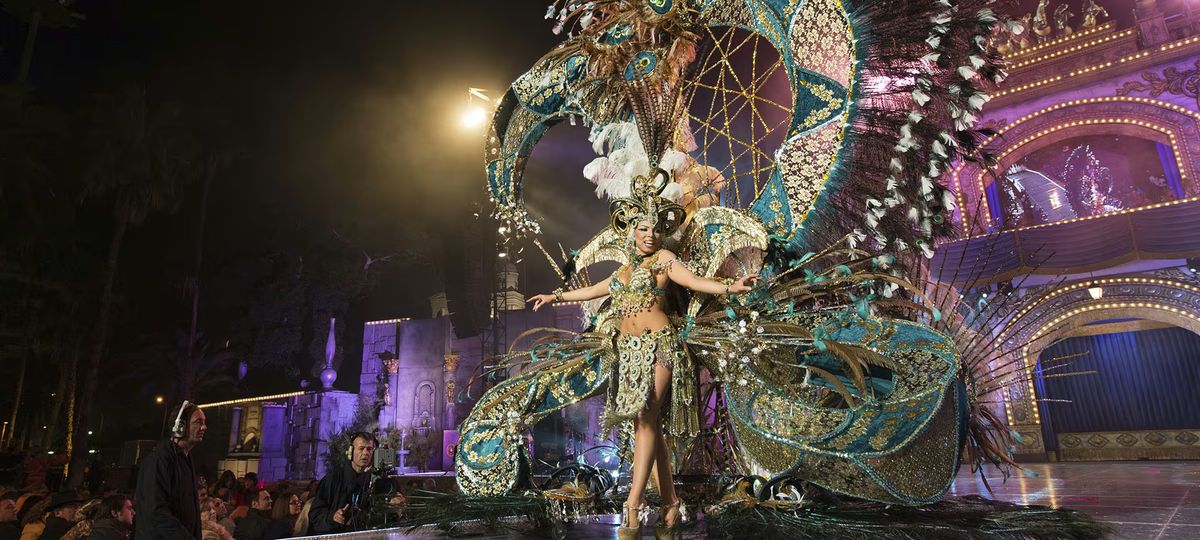
The Gala Drag Queen is the carnival's international signature event and arguably its most famous night. With over 20 editions and counting, the gala features contestants from across Spain and beyond, competing in towering, elaborately engineered costumes that can reach several meters in height. The event is held on a grand stage at Parque Santa Catalina, broadcast live on television, and attracts massive crowds. It is a celebration of creativity, performance art, and self-expression that has earned worldwide recognition.
Murgas
Murgas are comic musical groups that perform satirical, often politically charged songs set to catchy melodies. The murga competition is one of the carnival's most beloved traditions, with groups spending months rehearsing their routines. Competitions run in phases, building toward a grand final. The sharp humor and social commentary make murgas a uniquely Canarian art form.
Comparsas
Comparsas are coordinated dance and parade groups that perform choreographed routines in matching, colorful costumes. They bring rhythm, movement, and visual spectacle to the carnival stage and streets.
Gran Cabalgata (Main Parade)
The Gran Cabalgata is the crown jewel among carnival parades. This massive procession stretches over 7 kilometers through the streets of Las Palmas, featuring over 100 decorated floats and drawing more than 200,000 participants. Murgas, comparsas, dance groups, and thousands of costumed revelers fill the route with music and color. It is one of the largest carnival parades in all of Spain.
Cabalgata Infantil (Children's Parade)
The Cabalgata Infantil is dedicated to the youngest carnival-goers. With more than 20 floats designed especially for children, this parade gives families a joyful, safe way to be part of the celebration.
Carnaval en Familia
Carnaval en Familia encompasses a range of family-friendly events and activities organized throughout the carnival period. These include workshops, performances, and games that ensure children and families are at the heart of the festivities.
Noches de Carnaval
The Noches de Carnaval are open-air concert nights held in Parque Santa Catalina. Local and national artists perform on stage while the surrounding area becomes a massive outdoor party. These nights are free to attend and are a highlight for music lovers.
Mogollon
The Mogollon is the name given to the electric street-party atmosphere that takes over the main carnival area, especially on weekends. Around Parque Santa Catalina, the streets fill with costumed crowds dancing, singing, and celebrating late into the night. This is carnival at its most spontaneous and energetic.
Entierro de la Sardina (The Sardine Funeral)
The Entierro de la Sardina is the grand closing ceremony of the carnival. A solemn -- and satirical -- funeral procession winds through the streets, with mourners dressed entirely in black weeping for the end of the festivities. The procession culminates at Las Canteras Beach, where a large sardine effigy is set ablaze. The burning of the sardine symbolizes the end of carnival and the beginning of Lent. It is one of the most dramatic and memorable moments of the entire celebration.
2026 Calendar
The Carnaval de Las Palmas 2026 runs from January 23 to March 1, 2026. Below are the key dates for this year's edition.
| Date | Event |
|---|---|
| January 23 | Official opening of the carnival season |
| February 13 | Queen Gala |
| February 14 | Gala Drag Queen |
| February 17 | Martes de Carnaval (Carnival Tuesday) -- peak street celebrations |
| February 28 | Gran Cabalgata (Grand Parade) |
| March 1 | Entierro de la Sardina (Sardine Funeral) -- closing ceremony |
Murga and comparsa competitions, children's events, and Noches de Carnaval concerts are scheduled throughout the carnival period. Check the official program for the full day-by-day schedule.
View the full official carnival schedule on lpacarnaval.com
Practical Tips
Where to Watch
Parque Santa Catalina is the epicenter of the carnival. The main stage, galas, concerts, and much of the street atmosphere radiate from this area. For the Gran Cabalgata, position yourself along the parade route early -- popular spots fill up fast.
What to Wear
Costumes are not just welcome, they are encouraged. You will feel right at home in a costume, and many locals go all out with elaborate, creative outfits. If you prefer something simple, a mask or face paint will do. There is no dress code -- just a spirit of fun.
Transport
- The carnival area around Parque Santa Catalina can be difficult to reach by car during peak events, as many streets are closed.
- Public buses (guaguas) run extended schedules during carnival. Use them to avoid parking headaches.
- Consider walking or using a taxi for late-night returns.
- If you are staying elsewhere on the island, plan your return trip in advance, as transport fills up on major nights.
Food and Drink
Street vendors and food stalls set up throughout the carnival zone, offering local snacks and drinks. Restaurants near Parque Santa Catalina and along the Las Canteras Beach promenade are excellent options for a sit-down meal before or after events. Book ahead on big nights.
Getting Tickets for Galas
The main galas -- including the Queen Gala and the Gala Drag Queen -- are ticketed events with limited seating at Parque Santa Catalina. Tickets are typically sold through the carnival's official channels and can sell out quickly, especially for the Drag Queen Gala. Check availability well in advance and purchase early.
Stay Updated
The Las Palmas Carnival program evolves each year with new events, lineup announcements, and schedule changes. For the latest carnival events, schedules, and updates, visit EventosGC -- your guide to everything happening in Gran Canaria.