This event has already taken place
Acis and Galatea – G. F. Handel

Details
Handel revisited the myth of Acis, Galatea and Polyphemus until, in 1732, he reached his most profound version. In this production, with set design by Carlos Santos, we bring the action into the present: the interruption of a wedding by a jealous former suitor unleashes the tragedy. The work explores the transformation of Polyphemus — from monster to wounded lover — and Galatea’s mourning, as she turns Acis’s blood into a river to perpetuate their union. This staging highlights Handel’s relevance in portraying the fragility of happiness and the persistence of love in the face of loss. “Handel was fascinated time and again by the story of Acis, Galatea and the jealous Cyclops Polyphemus, and between 1708 and 1732 he created three versions of this tragic love. For our staging we have chosen the last version, more mature and profound. In mythology, the beautiful sea nymph Galatea did not always reject Polyphemus; they even had a son, Galatos. The Cyclops, wounded in his pride and his heart, turned his pain into art: from devourer of men he became a singer of his own sorrow. In our reinterpretation, together with set designer Carlos Santos, we bring the story into the present day. Galatea and the young Acis are celebrating their wedding when the jealous ex-boyfriend Polyphemus bursts in and snatches the groom away. In her lament, Galatea transforms Acis’s blood into a river, whose waters will embrace her forever. The fleeting nature of happiness, the pain of loss and the strength of love have left their traces in the music. Handel’s work, which he himself revised and adapted for each new performance, continues to resonate with emotion and beauty. Today, the river Acis still flows near Etna, in Sicily, while Polyphemus waits, patient and solitary, for his beloved Galatea…” Bruno Berger Gorsky, stage director “The scenographic proposal starts from the pictorial iconography of the myth of Acis and Galatea, understanding the stage as a painting that acquires depth. A baroque-style frame defines the space, while the pictorial plane shifts towards the back, opening up the stage and broadening its perception. This plane is conceived as a projection surface, bringing dynamism and transformation to the image, and allowing a more active use of the stage space, where the action transcends the frontal limit of the painting and turns the scene into a habitable canvas in constant dialogue between myth, music and dramaturgy.” Carlos Santos, set designer
You may also like
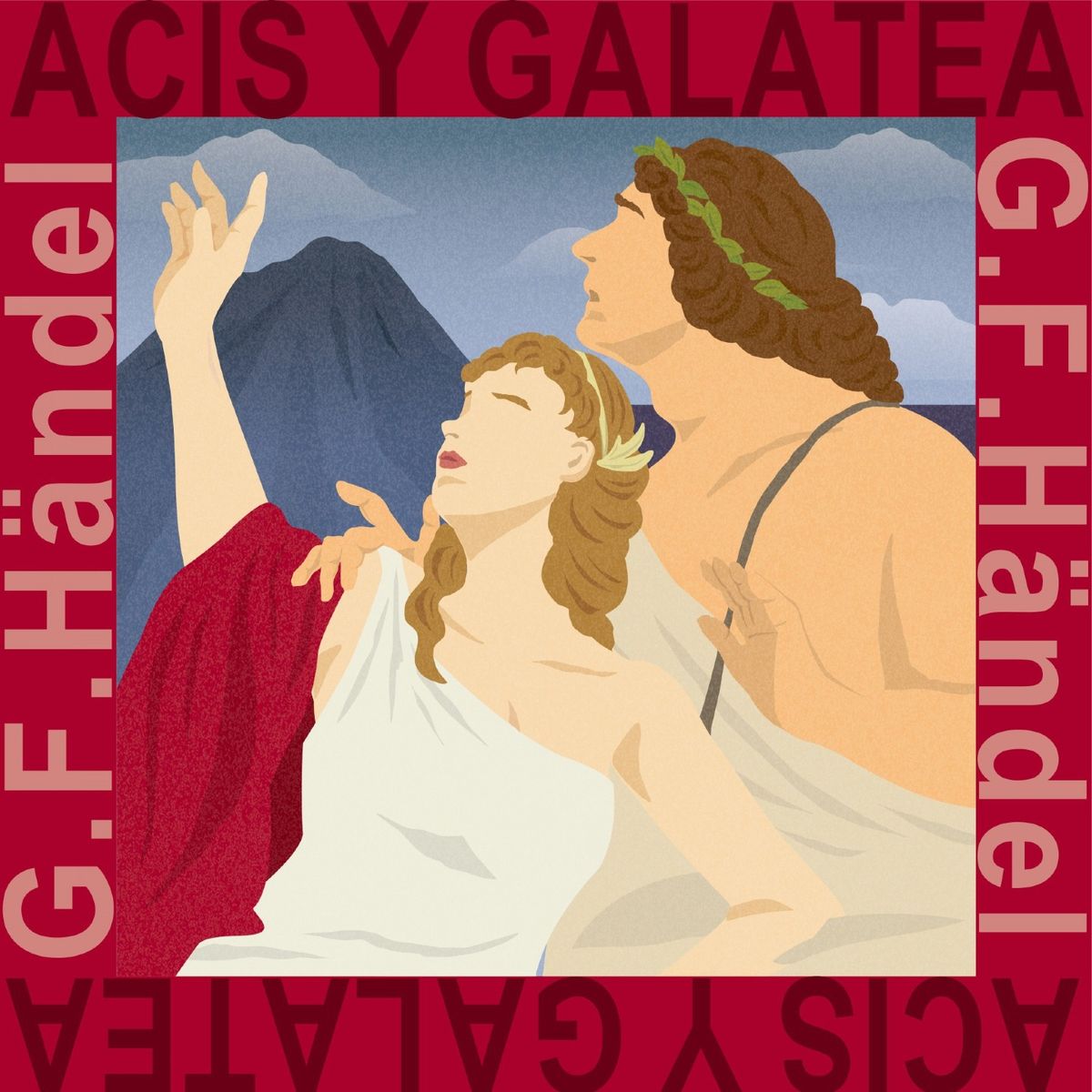
Acis and Galatea – Handel Revisited on Stage
Handel’s baroque masterpiece is reimagined in a contemporary staging where a disrupted wedding unveils jealousy, loss and a love that transcends time through music and drama.

CAMPOYADAS - José Campoy
Stand-up comedy show by José Campoy with monologues, impressions and improvisation about everyday life, with an Andalusian twist.

Dani Martínez - Remember
Dani Martínez, a versatile presenter and humorist, brings 'Remember' to the Alfredo Kraus Auditorium. A time-traveling show filled with humor, imitations, and surprises, helping the audience recall unforgettable moments.

Pool Party at Sholeo Lodge
Latin rhythms fill the poolside as salsa, bachata and kizomba set the mood for a full‑day dance experience with DJs, drinks and food in a vibrant social atmosphere.
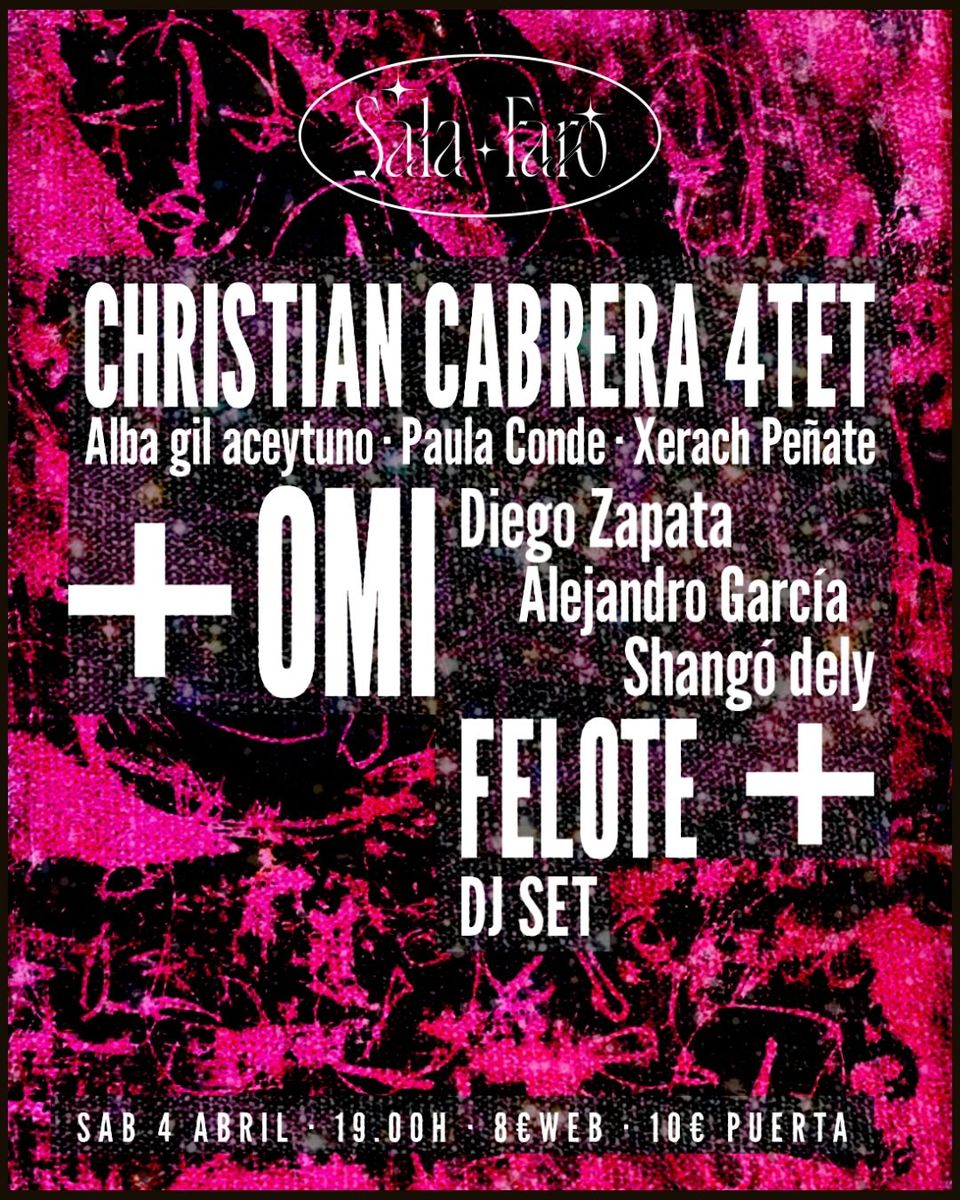
Christian Cabrera 4tet + Omi + Felote DJ Set
Explosive evening of island jazz, fusion and electronic grooves with Christian Cabrera 4tet, Omi’s project featuring top local musicians, and Felote closing the night with a vibrant DJ set.
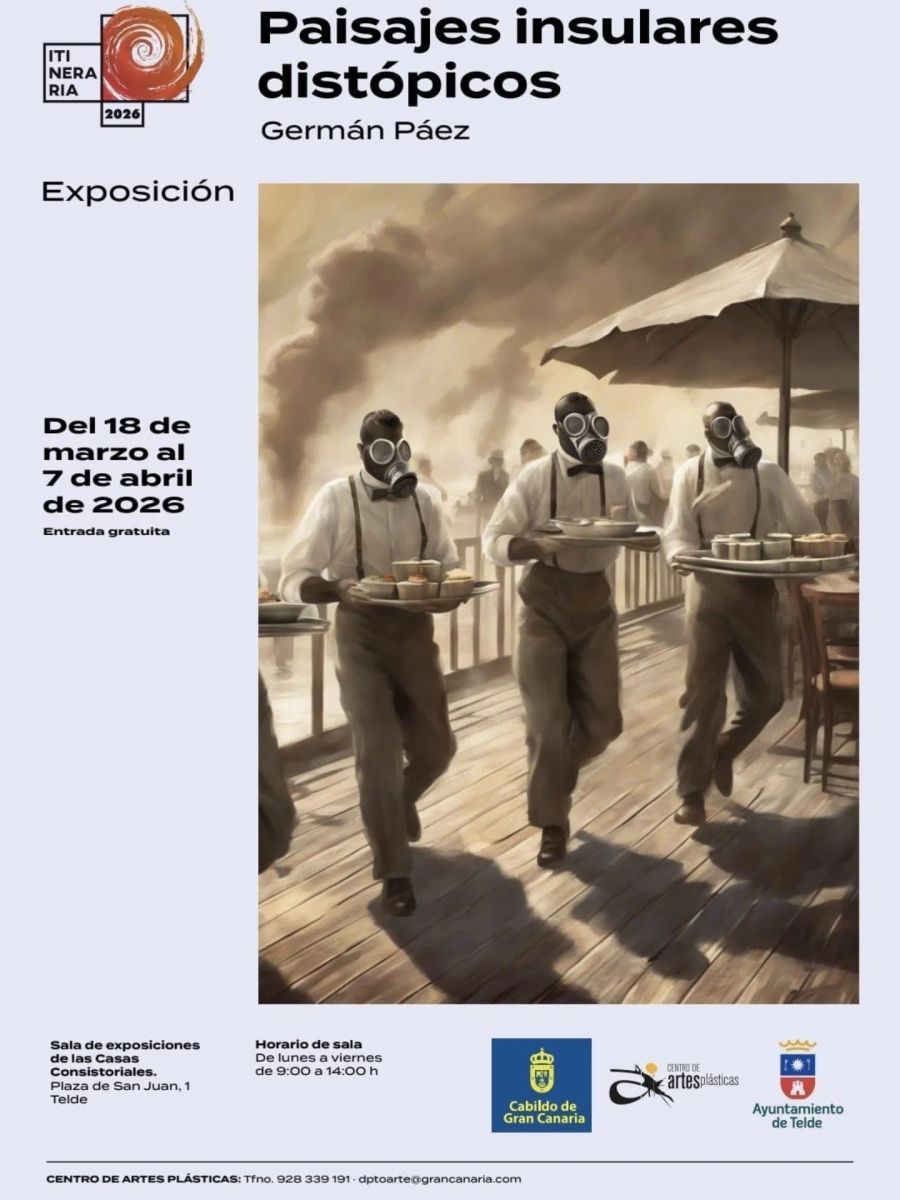
Guided Visit and Creative Collage Workshop: Dystopian Island Landscapes
An immersive tour of Germán Páez’s dystopian island landscapes, followed by a hands-on collage workshop inspired by the iconic little men in black and themes of climate and consumption.